The Connection Between Workplace Design and Clinical Excellence
The relationship between how the dentist Balwyn position themselves during procedures and the quality of care they deliver has become an increasingly important area of study within modern dentistry. Whilst patients may focus primarily on the credentials and experience of their practitioner, the physical environment and working conditions play a surprisingly significant role in determining treatment outcomes. The field of dental ergonomics examines how the design of workspaces, equipment placement, and body mechanics can influence both the wellbeing of practitioners and the standard of care received by patients.
When dental professionals work in poorly designed environments or adopt uncomfortable postures throughout the day, the consequences extend far beyond personal discomfort. Research has demonstrated that musculoskeletal disorders amongst dental practitioners can lead to reduced precision during procedures, shortened career spans, and ultimately compromised patient care. A comprehensive study on musculoskeletal disorders in dental practice highlights the prevalence of these conditions and their impact on professional performance.
How Physical Strain Affects Clinical Precision
The human body was not designed to maintain static, hunched positions for extended periods, yet this describes the typical working posture of many dental professionals. When a dentist Balwyn spend hours leaning over patients, the accumulated strain on neck, shoulders, and back muscles becomes substantial. This physical stress manifests in ways that directly affect the quality of dental work being performed.
The Impact on Fine Motor Control
Dental procedures require extraordinary levels of precision, with many treatments involving work within millimetre-scale margins. When practitioners experience muscle fatigue, tension, or pain, their fine motor control becomes compromised. The steady hand required for intricate restorative work, endodontic procedures, or delicate surgical interventions can be affected by the cumulative strain of poor ergonomic practices. This connection between physical comfort and procedural accuracy represents a critical factor in treatment outcomes.
Concentration and Decision-Making Under Physical Stress
Beyond the purely mechanical aspects of dental work, cognitive function also suffers when practitioners work in discomfort. The mental energy required to ignore or work through physical pain detracts from the focus available for clinical decision-making and patient interaction. Studies have shown that chronic discomfort can lead to reduced attention spans and impaired judgement, both of which are essential components of quality dental care.
Principles of Ergonomic Dental Practice
Implementing proper ergonomic principles within dental settings requires a multifaceted approach that considers equipment design, workspace layout, and practitioner technique. The positioning of dental chairs, the height and angle of operating lights, and the placement of instruments all contribute to whether a practitioner can maintain neutral body positions throughout the working day. Modern dental equipment manufacturers have increasingly recognised these needs, developing adjustable systems that accommodate various practitioner heights and working preferences.
Patient Positioning and Access
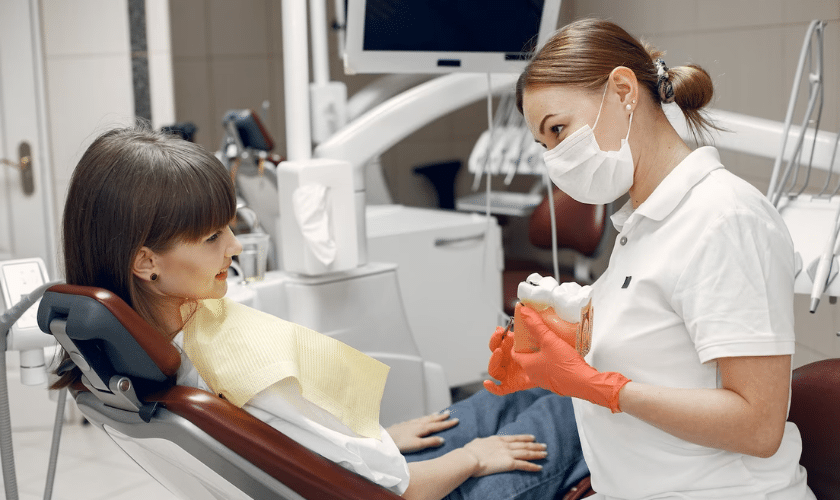
Interestingly, optimal ergonomics for dental professionals often correlates with improved patient comfort as well. When patients are positioned correctly, practitioners can access treatment areas without excessive bending, twisting, or reaching. This mutual benefit demonstrates how ergonomic considerations serve the interests of both parties in the clinical relationship. Proper patient positioning also facilitates better visibility and access, contributing to more thorough and accurate treatment delivery.
The Role of Equipment and Technology
Advances in dental technology have provided numerous solutions to traditional ergonomic challenges. Magnification loupes and microscopes allow practitioners to maintain more upright postures whilst still achieving the visual detail required for precision work. Additionally, research into ergonomic risk factors in dental practice has informed the development of instruments with improved handle designs that reduce grip strain and wrist deviation.
The integration of digital dentistry has also contributed to ergonomic improvements. Intraoral scanners, for instance, can reduce the time spent in awkward positions compared to traditional impression-taking methods. Computer-aided design and manufacturing systems enable practitioners to work at ergonomically sound workstations when designing restorations, rather than hunching over traditional laboratory benches.
Long-Term Benefits for Patient Care
The implementation of ergonomic principles within dental practices yields benefits that extend throughout a practitioner’s career. By reducing the physical toll of daily clinical work, ergonomic practices enable dental professionals to maintain their skills and precision over decades rather than facing early retirement due to debilitating musculoskeletal conditions. This longevity benefits patients who can continue receiving care from experienced practitioners. Furthermore, studies examining ergonomic approaches in dentistry confirm that these practices contribute to sustained professional performance and reduced occupational injuries.
Moving Towards Better Outcomes
The evidence supporting the connection between dental ergonomics and treatment quality continues to grow, highlighting the importance of workplace design in healthcare settings. As awareness increases within the profession, both new and established practices are reassessing their physical environments and working methods. This shift represents a recognition that patient outcomes and practitioner wellbeing are intrinsically linked, with ergonomic considerations serving as a foundation for sustainable, high-quality dental care delivery.