Florence Earle Coates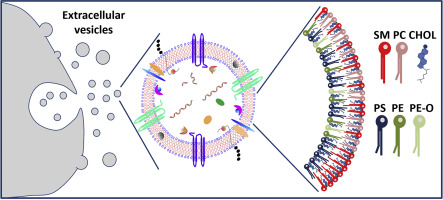
In the field of scientific study, knowledge of the complexity of cellular communication is absolutely vital. Extracellular vesicles (EVs) allow one amazing feature of this communication. The way cells communicate information and preserve homeostasis depends much on these little, membrane-bound particles. EVs clearly affects everything from immunological responses to disease influence. Whether your field of work is research, medicine, or just curiosity in innovative science, exploring the several kinds and purposes of extracellular vesicles can open new avenues of inquiry. Resources like the https://www.targetedbioscience.com/extracellular-vesicles-ev-isolation-kit might prove rather helpful for individuals trying to separate these fascinating particles for study needs. Come explore with us the several forms of extracellular vesicles and their important roles.
Categories of Extracellular Vesicles
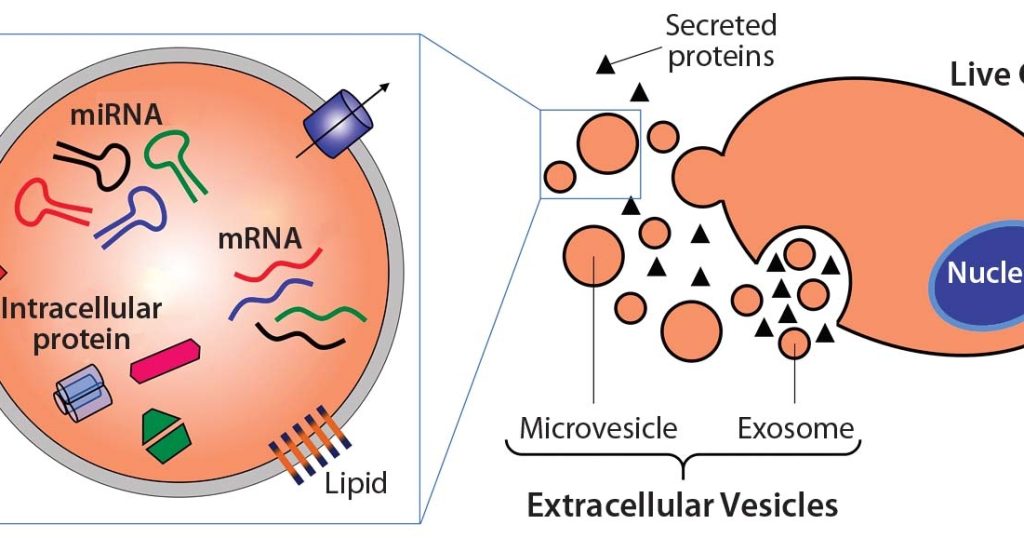
Extracellular vesicles exist in several forms and have different functions. Exosomes, microvesicles, and dead corpses rank as the three main forms. Usually ranging in diameter from 30 to 150 nanometers, exosomes are tiny vesicles produced by many different kinds of cells. They are fundamental in cell-to—cell communication and known to carry proteins, lipids, and RNA. Conversely, microvesicles are generated by the outward budding of the cell membrane and have somewhat bigger diameters between 100 and 1,000 nanometers. Finally, created during the process of cell death, apoptotic bodies can contain elements of other cells. Knowing these kinds will help one to have a better awareness of the cellular mechanisms controlling health and illness.
Extensive Vesicles: Their purposes
Involved in many different biological processes, extracellular vesicles are therefore essential for both health and illness. Among its most important functions is those in cell signaling. EVs help cells to regulate several physiological processes by moving proteins, lipids, and RNA, therefore enabling long-distance communication among them. EVs also modulate the immune system, therefore controlling both pro- and anti-inflammatory reactions. They also are quite important for tissue regeneration and healing. Moreover, the presence of EVs in body fluids including blood and urine opens possible uses for diagnosis and therapeutic administration.
Using extracellular vesicles’ power
Extracellular vesicles are helping us to rethink cellular communication and disease processes. Examining their several forms and important roles helps us to open fresh opportunities for general health management, diagnosis, and treatment. Tools like the https://www.targetedbioscience.com/extracellular-vesicles-ev-isolation-kit give researchers the means to progress in this exciting subject, whether their goals are additional knowledge on their roles in the body or isolating EVs for their research. Medical science becomes increasingly more promising as we keep learning more about EVs.